


How to Manage Entry Pain During Penetration
Sex isn’t supposed to hurt. But for a huge number of people, that first moment of penetration feels less like “connection” and more like a sharp sting, a sandpaper burn, or hitting a brick wall.
If you have ever felt those sharp, stinging, or burning sensations the moment penetration begins, you know how quickly it can kill the mood. More importantly, it can make you feel disconnected from your partner and your own body.
If this sounds familiar, you aren’t alone. Entry pain is one of the most common pelvic health concerns we see at Inner Good. Here is the unfiltered truth about why it happens and the tools that actually work to stop it.
The Elephant in the Room: Why Does it Hurt? What Causes Entry Pain?
Entry pain (or superficial dyspareunia if you want the medical term) usually boils down to three unglamorous things: friction, tension, and depth.
- Vaginal Dryness: Whether it’s due to hormones, stress, or even your allergy meds, your body might not be producing enough natural moisture. Without it, skin-on-skin contact causes tiny “micro-tears.” That sharp stinging? That’s your skin screaming for help.
- The “Guard” Reflex: If you have had painful intercourse before, your brain remembers. Your pelvic floor muscles “guard” or clench in anticipation of the pain. Trying to penetrate a clenched muscle is like trying to shut a door with a shoe in it.
- The Depth Fear: Sometimes the pain isn’t just at the surface. It’s the anxiety of what happens when things go “too deep,” which causes your whole body to tense up before things even start.
The Fix: Medical-Grade Solutions That Actually Work
You don’t need “tips” or “tricks.” You need medical-grade gear designed to override your body’s pain signals. Here are three biggest game-changers for entry pain:
1. Prep Your Muscles with “Kiwi”
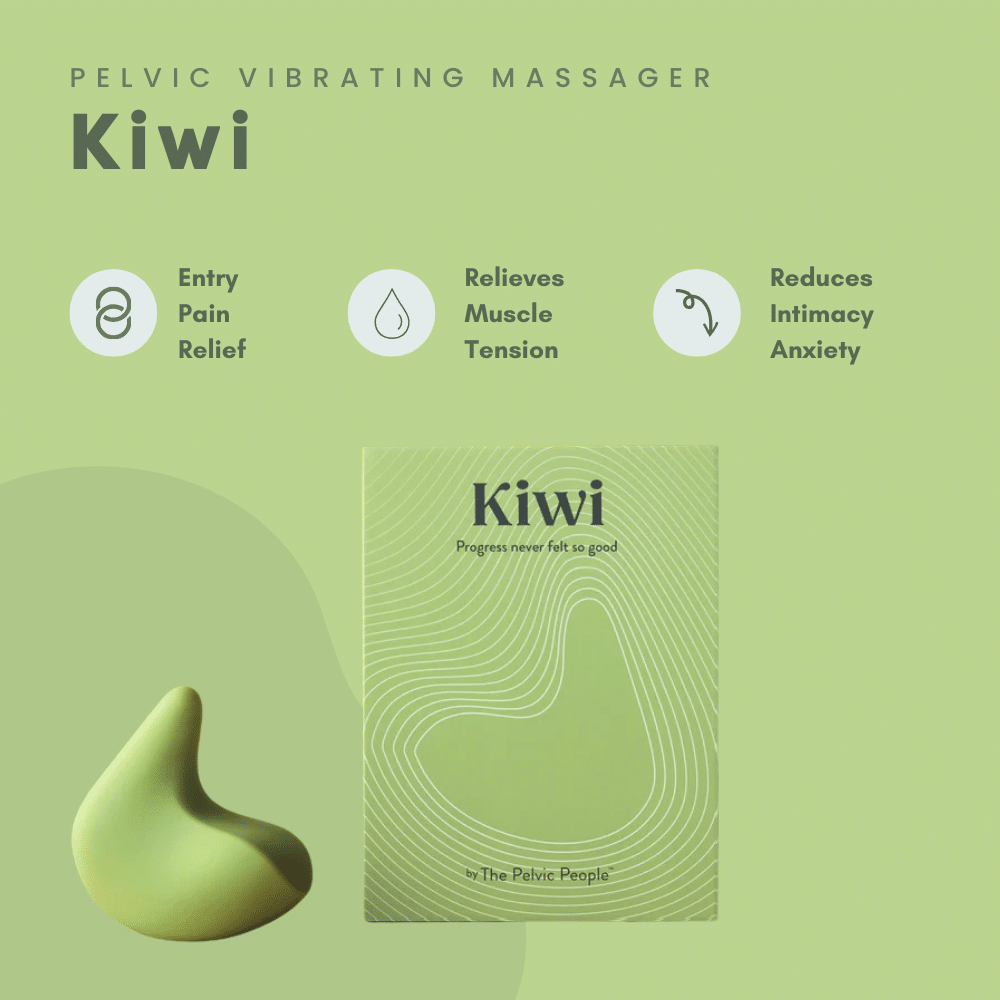
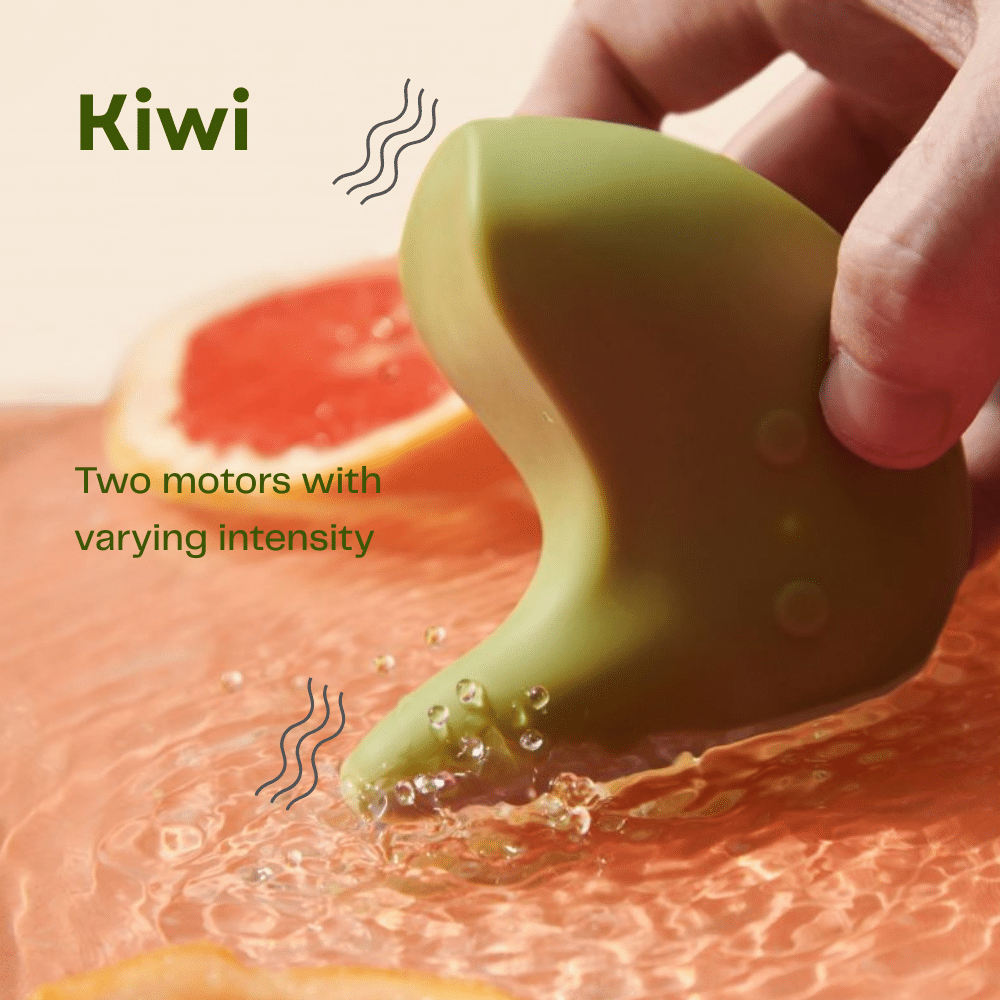
You can’t just tell a tight pelvic floor to “relax.” You have to physically melt the tension first, and that is exactly what the Kiwi does. The Kiwi isn’t just a standard bedroom vibrator, it is a targeted pelvic health tool.
Its curved shape and deep, rumbly vibrations send blood flow straight to your pelvic floor. Using it right before intercourse gently forces those tight, guarded muscles to unclench. Plus, the vibrations distract your nervous system, effectively blocking pain signals before penetration even starts.
2. The Ohnut: Your Personal “Buffer”
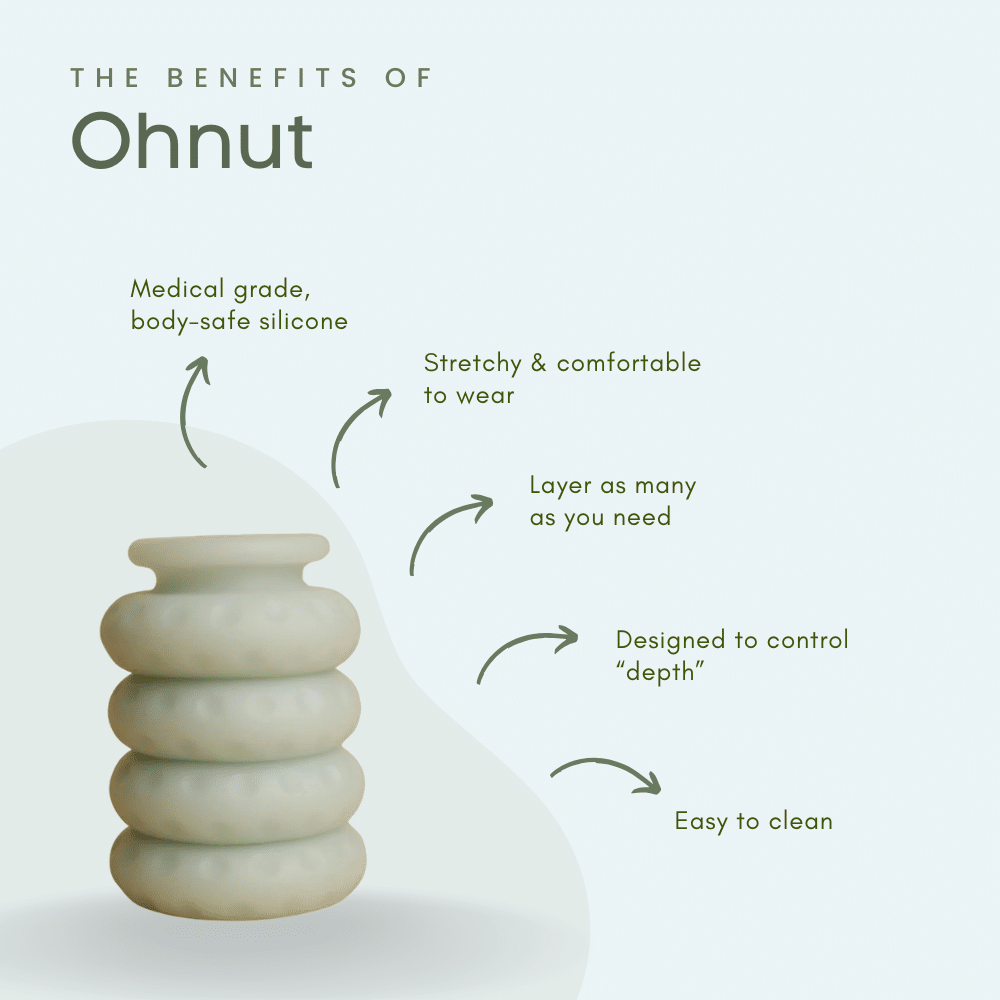
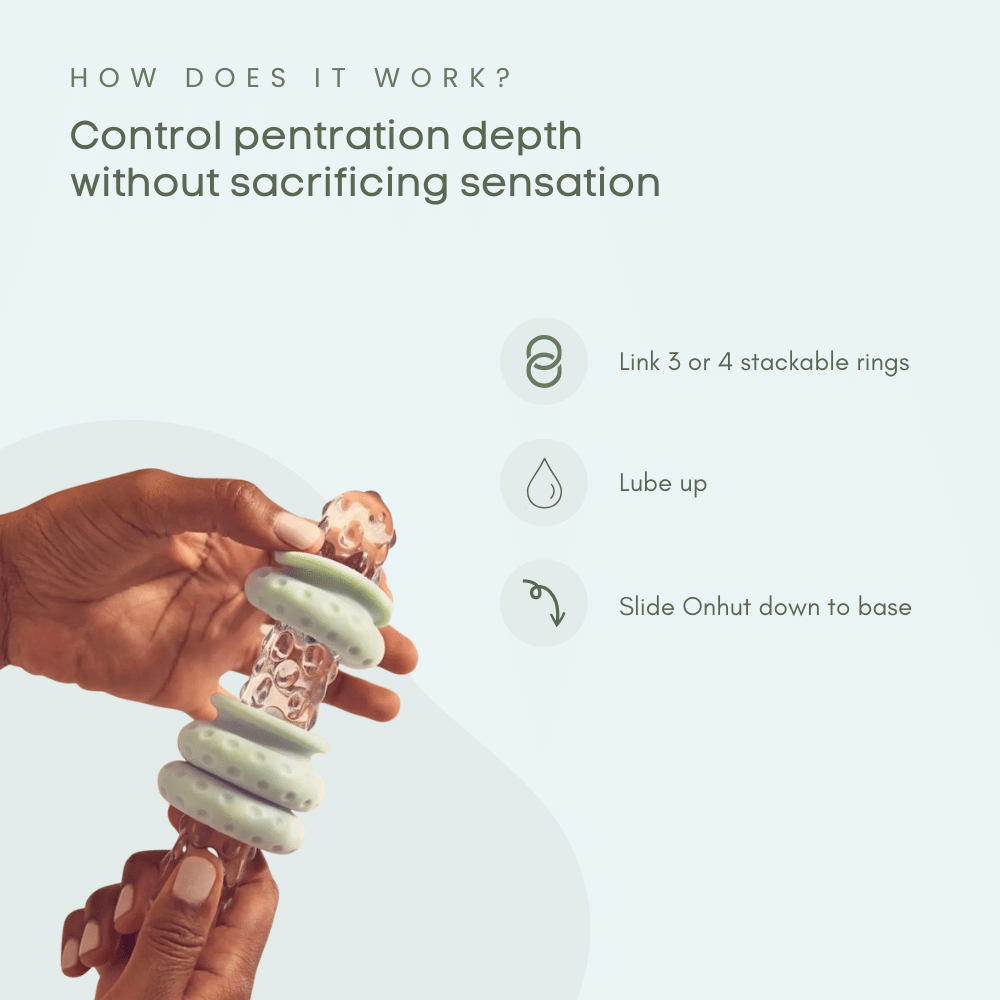
If the fear of deep thrusting is making you tense up, the Ohnut is your new best friend. It’s a set of four soft, stretchy stackable rings that is worn externally by a partner.
How it helps: It acts as a “shock absorber”, allowing you to customize the depth of penetration – remove or add rings as you choose. It puts you in the driver’s seat. You decide exactly how much feels good, removing the “fear of the bump” that causes muscles to tense up.
Free shipping available: Get Kiwi and Ohnut delivered at no extra cost when you order through Innergood.
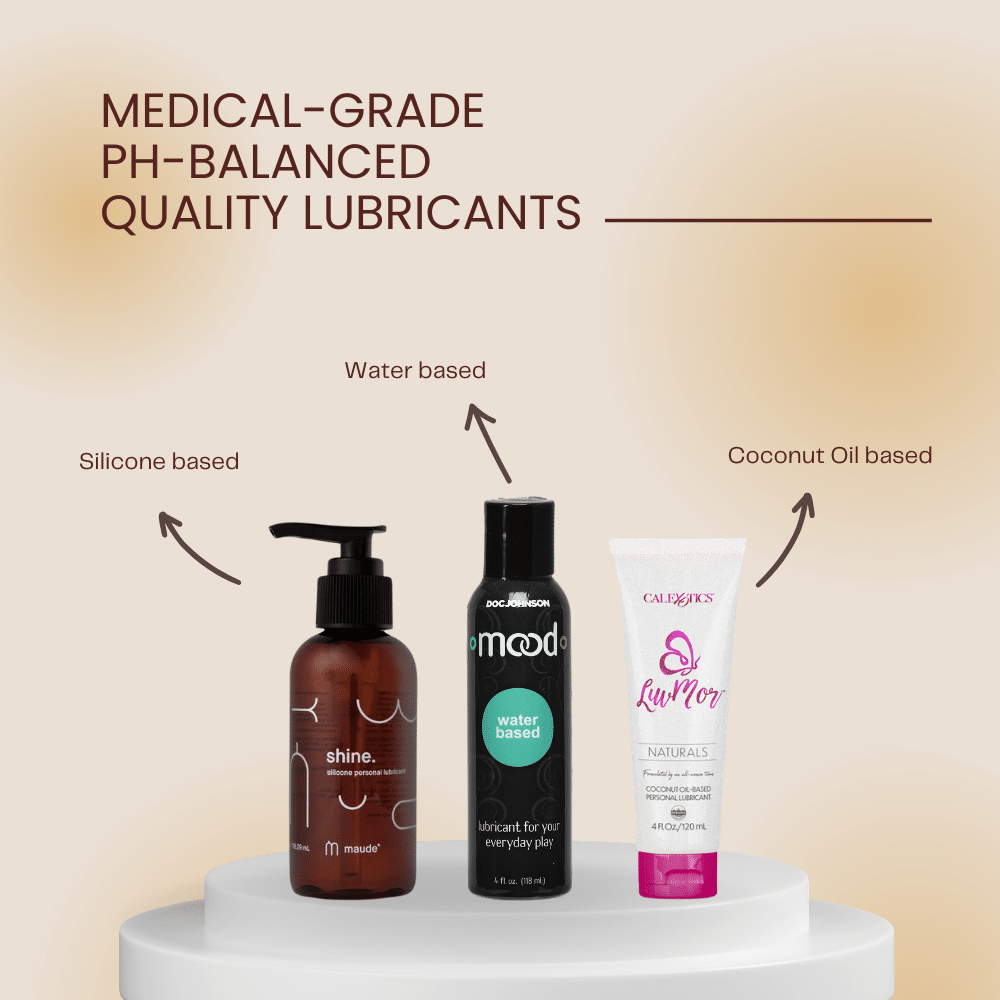
3. Quality Lubrication (The Non-Negotiable)
Most drugstore lubes are loaded with glycerin and sugar (which cause yeast infections) or parabens (which irritate sensitive skin).
- The Solution: Use a medical-grade, pH-balanced lubricant. It should feel like your body’s natural moisture, reducing the friction that leads to micro-tears and stinging.
Stop Suffering in Silence
There is no trophy for enduring painful sex. Pain is a signal, not a permanent state. By combining the right devices like Kiwi, Ohnut to manage physical impact and high-quality lube to kill the friction, you can stop “enduring” sex and start enjoying it again.
Free shipping available: Get Kiwi and Ohnut delivered at no extra cost when you order through Innergood.


